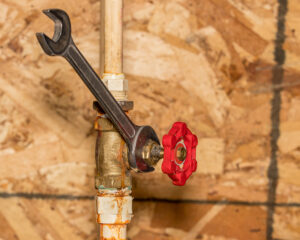
Underground Sewer Replacement: Everything You Need to Know
Underground sewer replacement is one of the most important plumbing services for both residential and commercial properties. When sewer lines fail, it can lead to costly damage, health risks, and serious disruptions to daily life. Understanding when, why, and how to replace underground sewer lines can help property owners make informed decisions and protect their investment.
What Is Underground Sewer Replacement?
Underground sewer replacement is the process of removing damaged or deteriorated sewer pipes and installing new ones beneath the ground. This service is required when pipes are too old, corroded, or broken to be repaired. Unlike minor plumbing fixes, sewer replacement often involves excavation, heavy equipment, and specialized expertise to ensure the system is restored to full capacity.
Signs You May Need Sewer Replacement
Recognizing early signs of sewer line failure can save you from extensive damage and costly repairs. Here are some common red flags:
- Frequent Drain Backups: Repeated clogs and backups throughout the home or building indicate serious blockages in the main sewer line.
- Slow Drains: If sinks, showers, and toilets all drain slowly at the same time, the issue likely lies in the underground line.
- Sewage Odors: Persistent foul smells inside or outside the property are a warning sign of a sewer leak.
- Water Pooling in the Yard: Unexplained wet spots or lush patches of grass often mean sewage is seeping into the soil.
- Cracks in Foundations or Driveways: Leaking sewer lines can cause soil erosion, leading to structural damage.
Common Causes of Sewer Line Damage
Sewer lines can deteriorate over time for many reasons. The most frequent causes include:
- Age of the Pipes: Older clay, cast iron, or orangeburg pipes eventually weaken and collapse.
- Tree Root Invasion: Roots naturally seek out water sources, often breaking through sewer lines.
- Corrosion: Metal pipes corrode over decades, leading to cracks and leaks.
- Ground Shifts: Soil movement, construction, or heavy traffic can put stress on underground pipes.
- Improper Installation: Poor workmanship in the original installation can cause premature failure.
The Sewer Replacement Process
Replacing an underground sewer line is a major project, but with professional plumbers, the process is straightforward and efficient. Here are the typical steps:
- Inspection: Plumbers use video camera equipment to inspect the line and locate the damage.
- Excavation: Ground is dug to expose the damaged sewer line. In some cases, trenchless methods may be available.
- Removal of Old Pipes: The broken or deteriorated pipes are carefully removed.
- Installation of New Sewer Line: Durable, modern piping materials such as PVC are installed.
- Testing and Backfilling: The new system is tested for leaks before the area is backfilled and restored.
Traditional vs. Trenchless Sewer Replacement
There are two main methods of sewer replacement:
- Traditional Excavation: Involves digging up the ground to access and replace the entire sewer line. It is reliable but disruptive.
- Trenchless Replacement: Uses advanced technology like pipe bursting or pipe lining to replace the pipe without extensive digging. It is less invasive, faster, and often more cost-effective.
How Long Does Sewer Replacement Take?
The timeline for underground sewer replacement depends on the size of the property, the length of the line, soil conditions, and the chosen method. Traditional replacements can take several days, while trenchless methods may be completed in one or two days.
How Much Does Sewer Replacement Cost?
Costs vary widely based on the method used, the length of the line, and the complexity of the project. On average, homeowners can expect to spend anywhere from $3,000 to $10,000 or more. Commercial projects may be higher. Getting a professional inspection is the best way to receive an accurate estimate.
Benefits of Replacing Your Sewer Line
Though the cost may feel high, underground sewer replacement comes with long-term benefits:
- Reliable Performance: New sewer lines function without constant blockages or repairs.
- Increased Property Value: Buyers are more confident in a property with updated plumbing systems.
- Health and Safety: Eliminates risks of sewage leaks that can contaminate water and soil.
- Peace of Mind: A new system reduces the stress of recurring plumbing issues.
Choosing the Right Plumbing Company
Not all plumbers are equally qualified for sewer replacement. Look for a company that offers:
- Experience with both residential and commercial projects
- State-of-the-art inspection equipment
- Knowledge of trenchless technology
- Licensed and insured professionals
- A reputation for customer satisfaction
Conclusion
Underground sewer replacement is a critical service that protects your property, health, and comfort. If you notice signs of sewer line trouble—such as frequent backups, foul odors, or soggy spots in your yard—don’t wait for the problem to get worse. Contact a professional plumber to schedule an inspection and discuss your replacement options.
By investing in timely sewer replacement, you not only solve immediate issues but also secure the long-term performance of your plumbing system. Trust experienced professionals to handle the job, and enjoy peace of mind knowing your sewer line is built to last.

 Next Post